
Occidental Bediunism: Drifting Centroclinal Supra-Structure
Location: Siteless primitive tested on: Goose Island - Chicago, IL + Garraf Quarries - Barcelona, Spain
Primitive developed in collaboration with David Walczyk + Mario Serrano under the supervision of Lluis Ortega, IIT 2017-2018
Project Thesis:
The colonization of land is a distinguishing human characteristic. But the precariousness of human existence limits our capacity to survive in expanded territories. Within occupied territories, we depend on social structures to govern our autonomy. Relying on models of subdivision, ones that stratify and segregate, impairs our collective understanding of shared humanity.
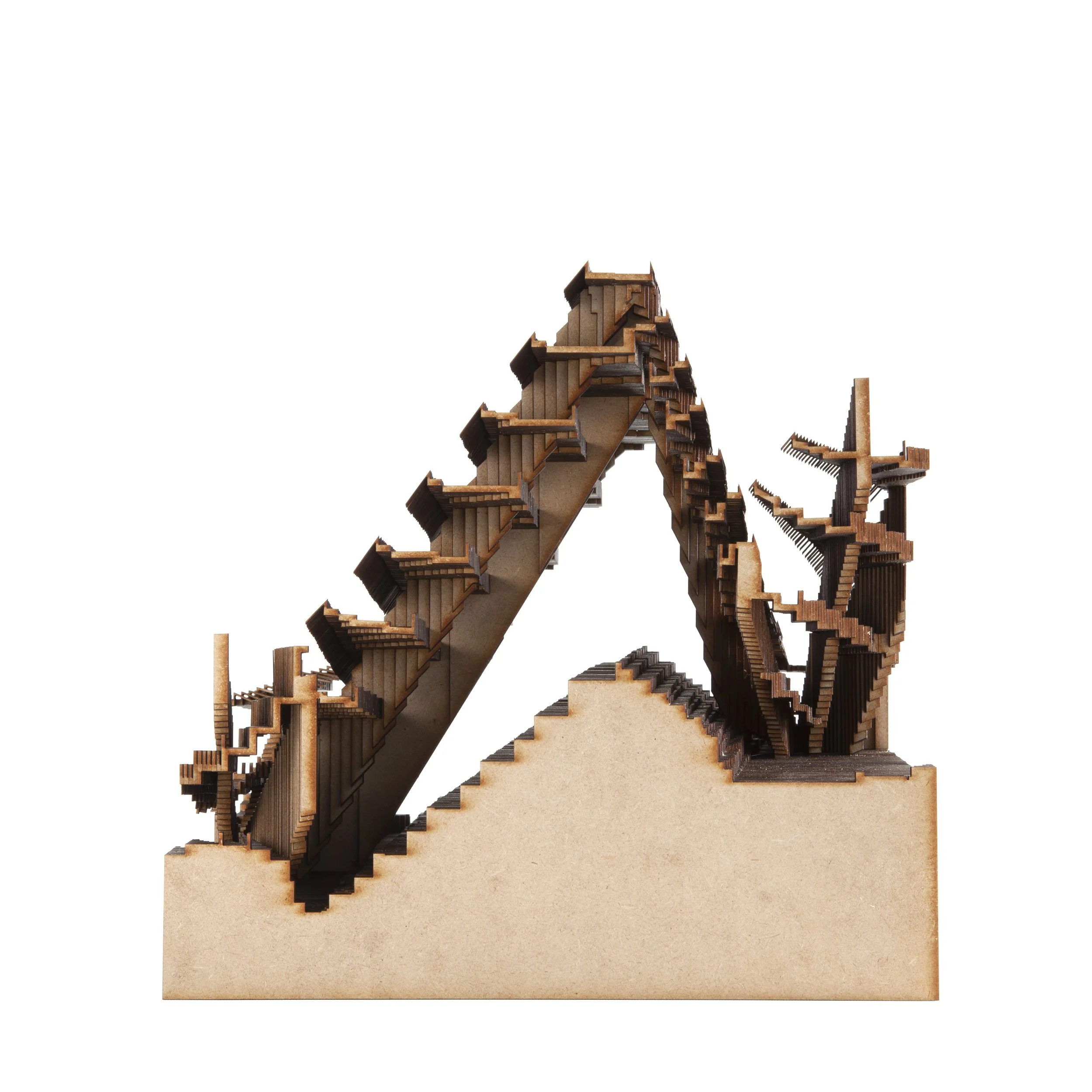
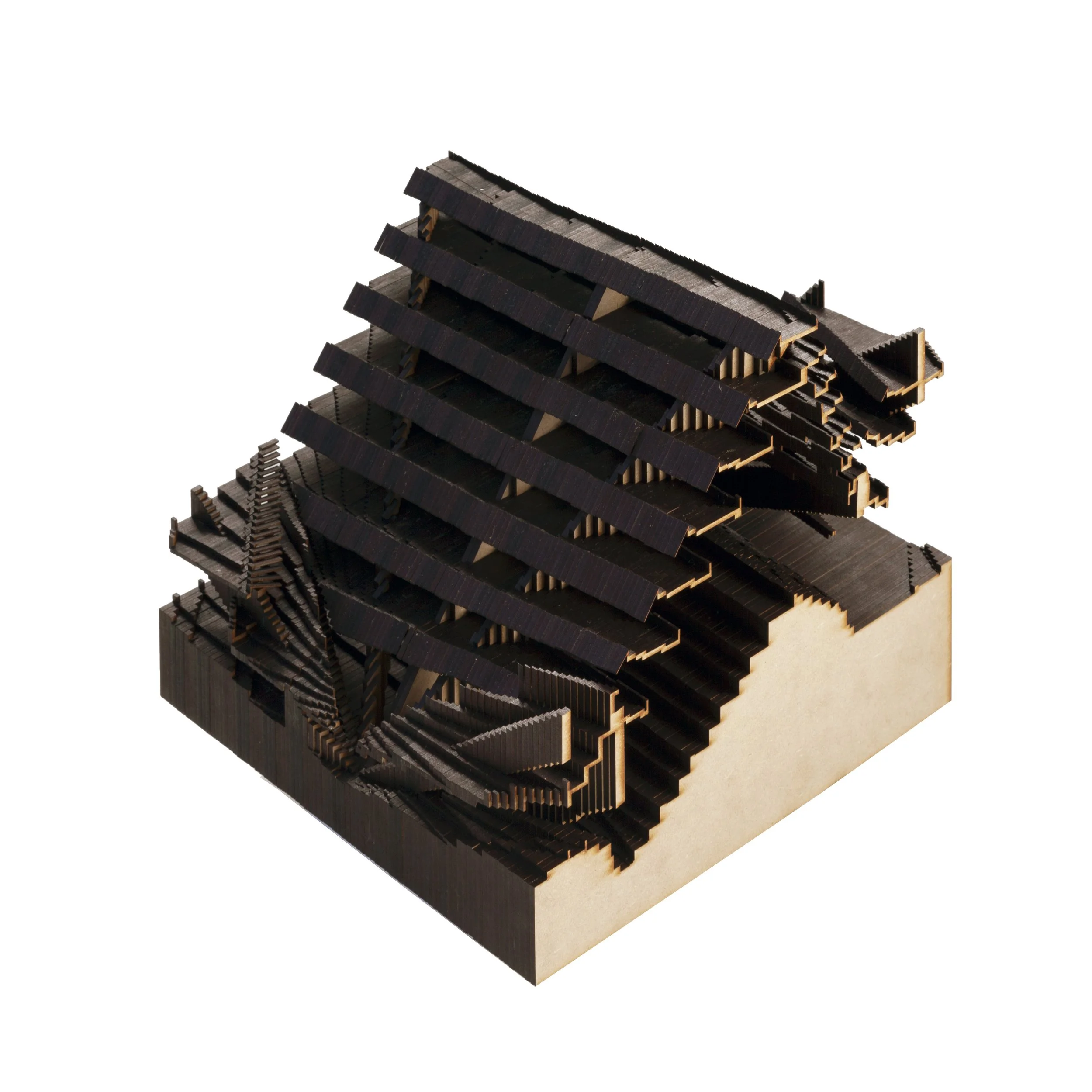
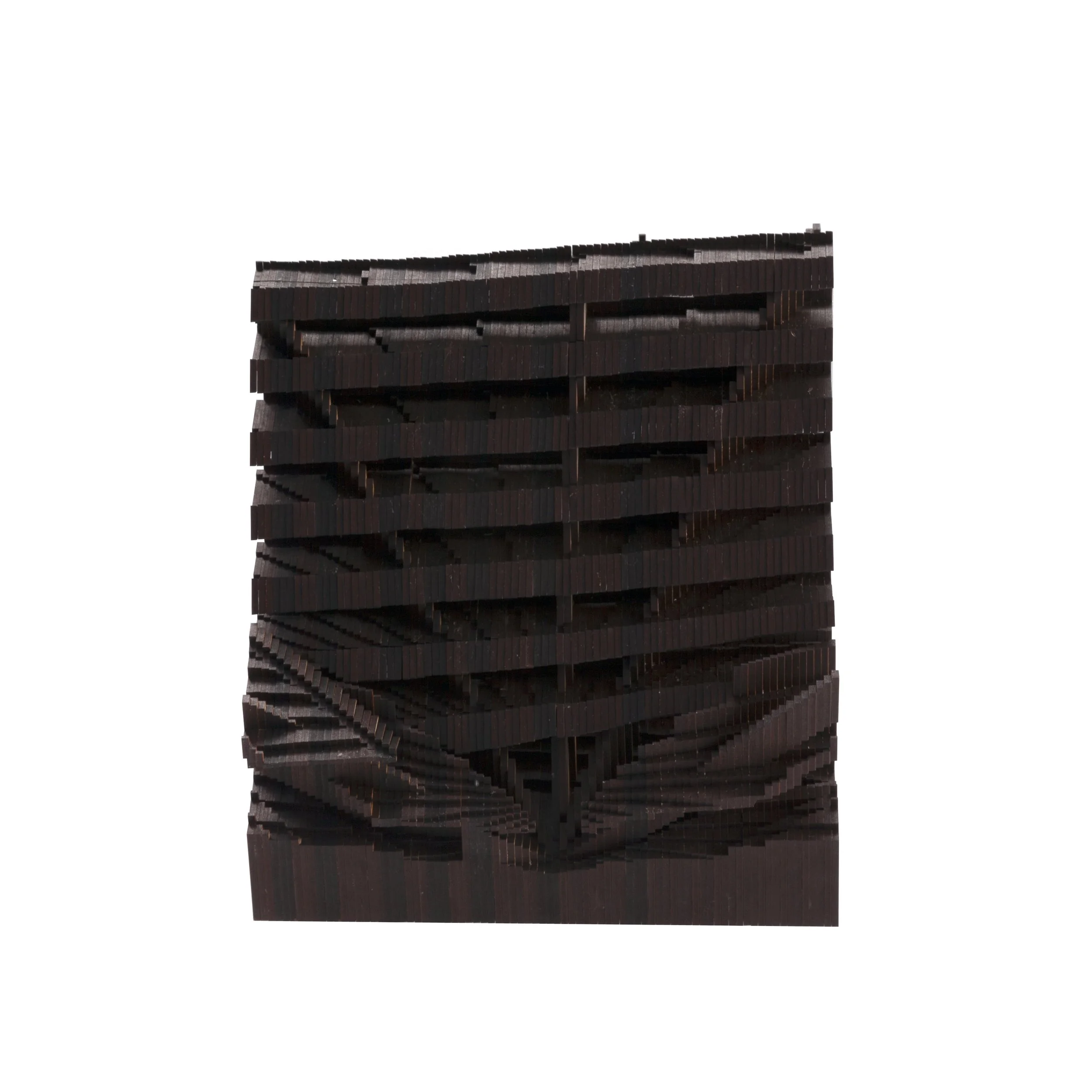
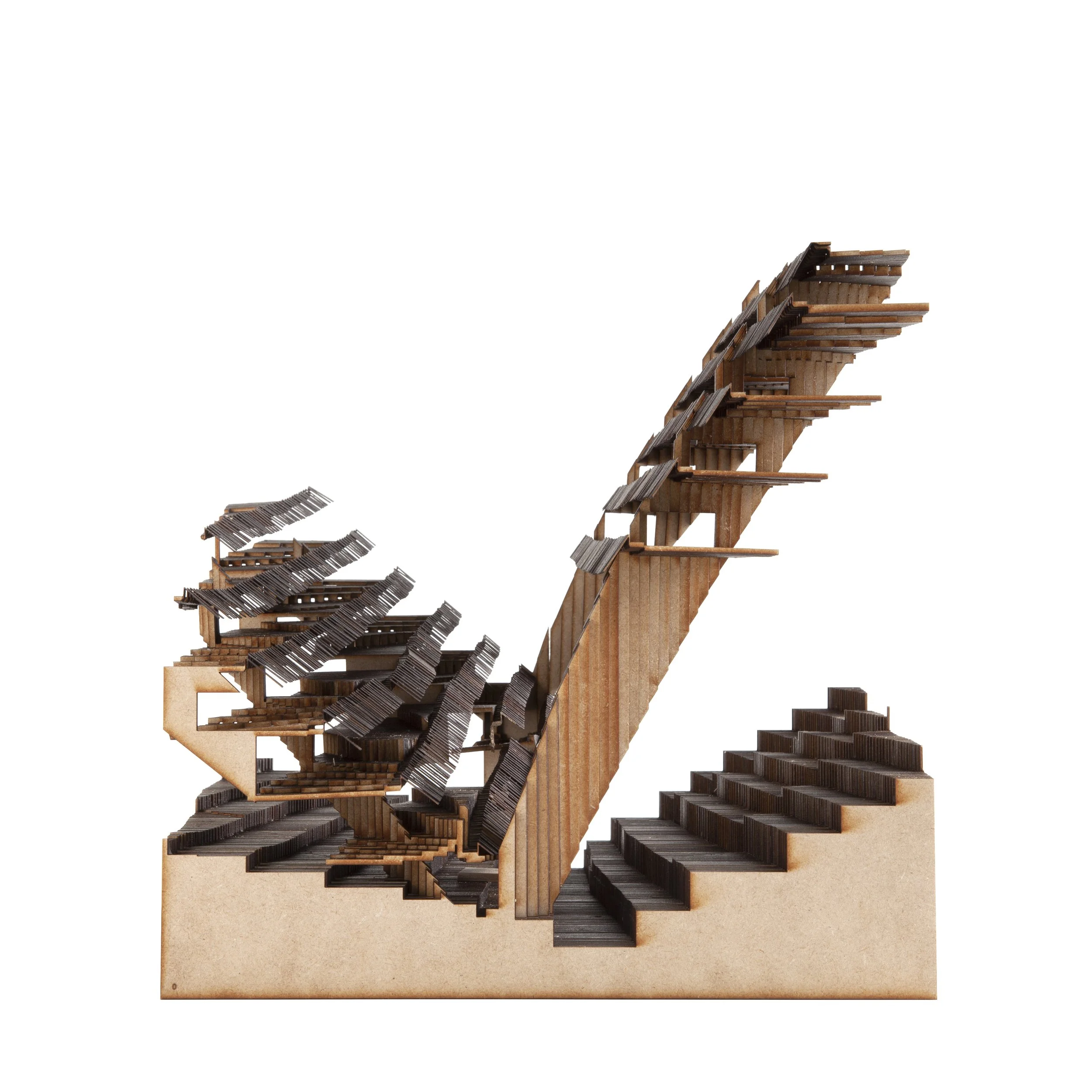
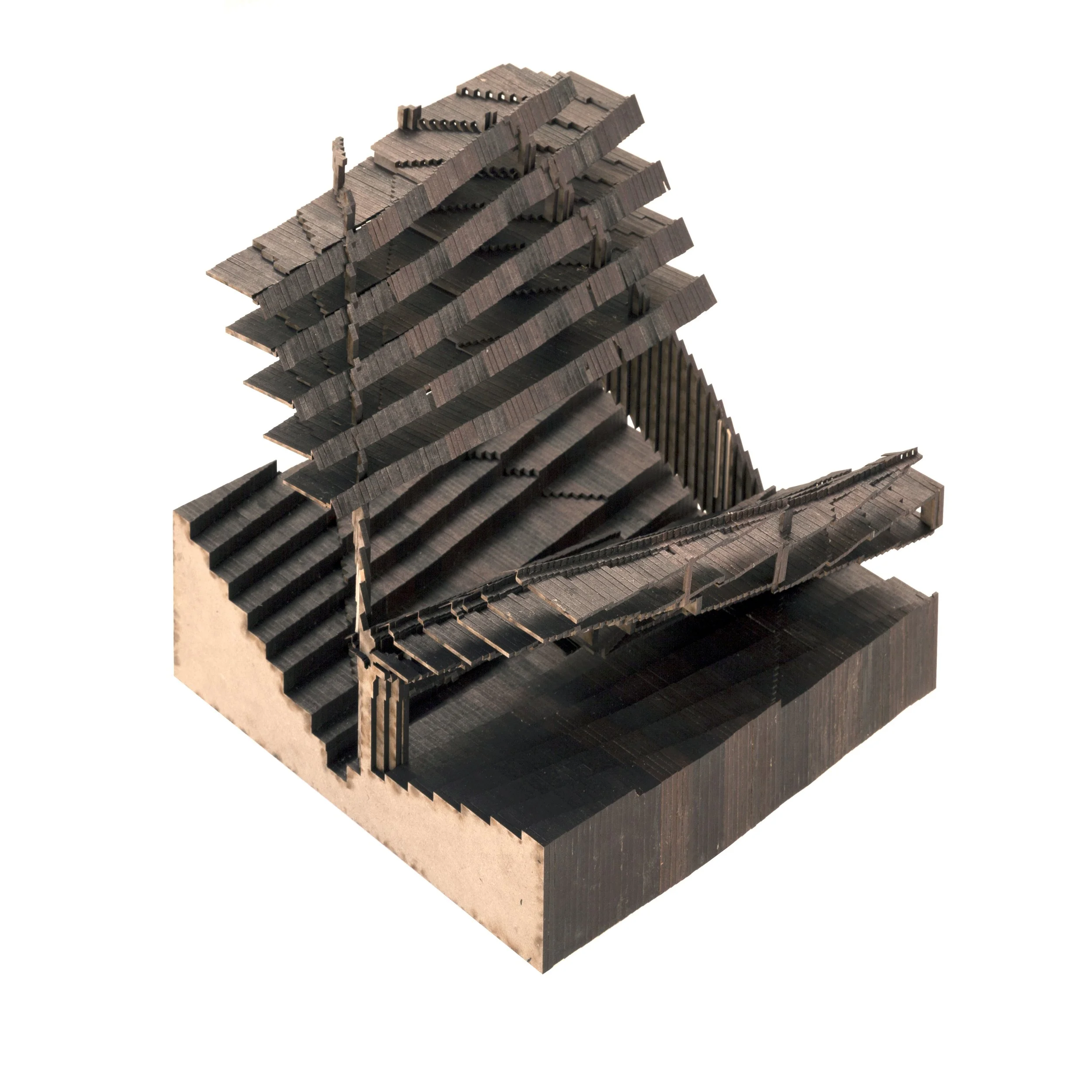
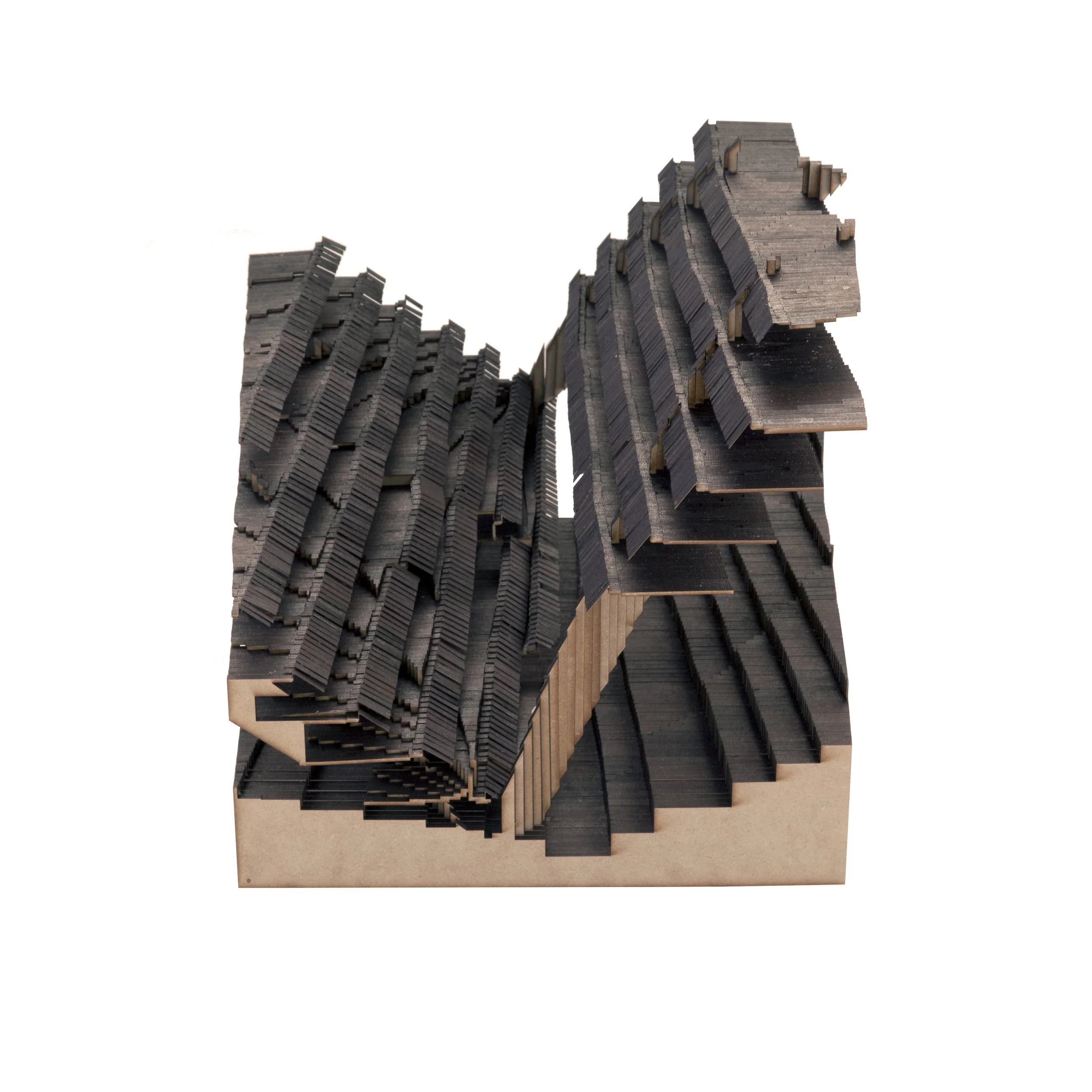
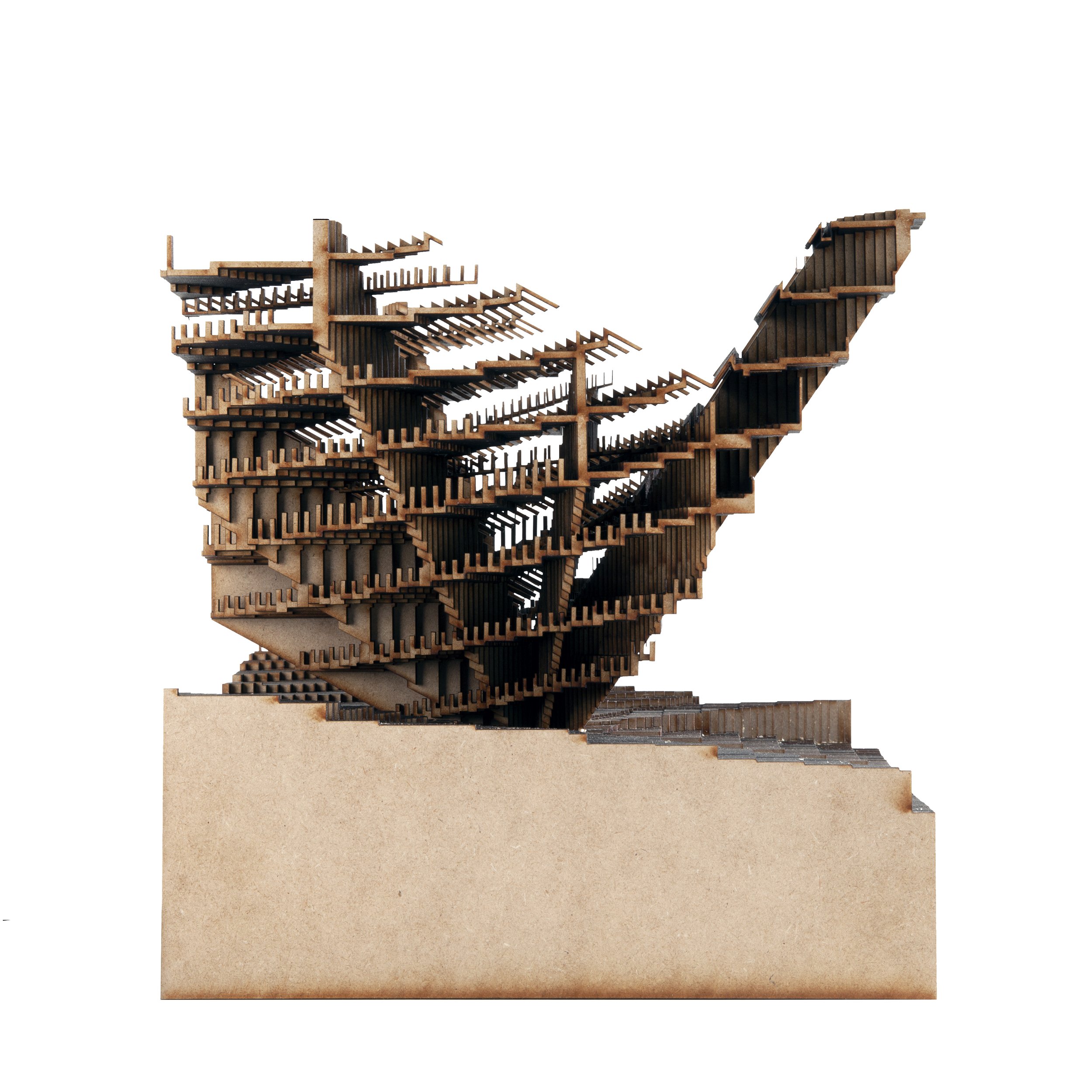
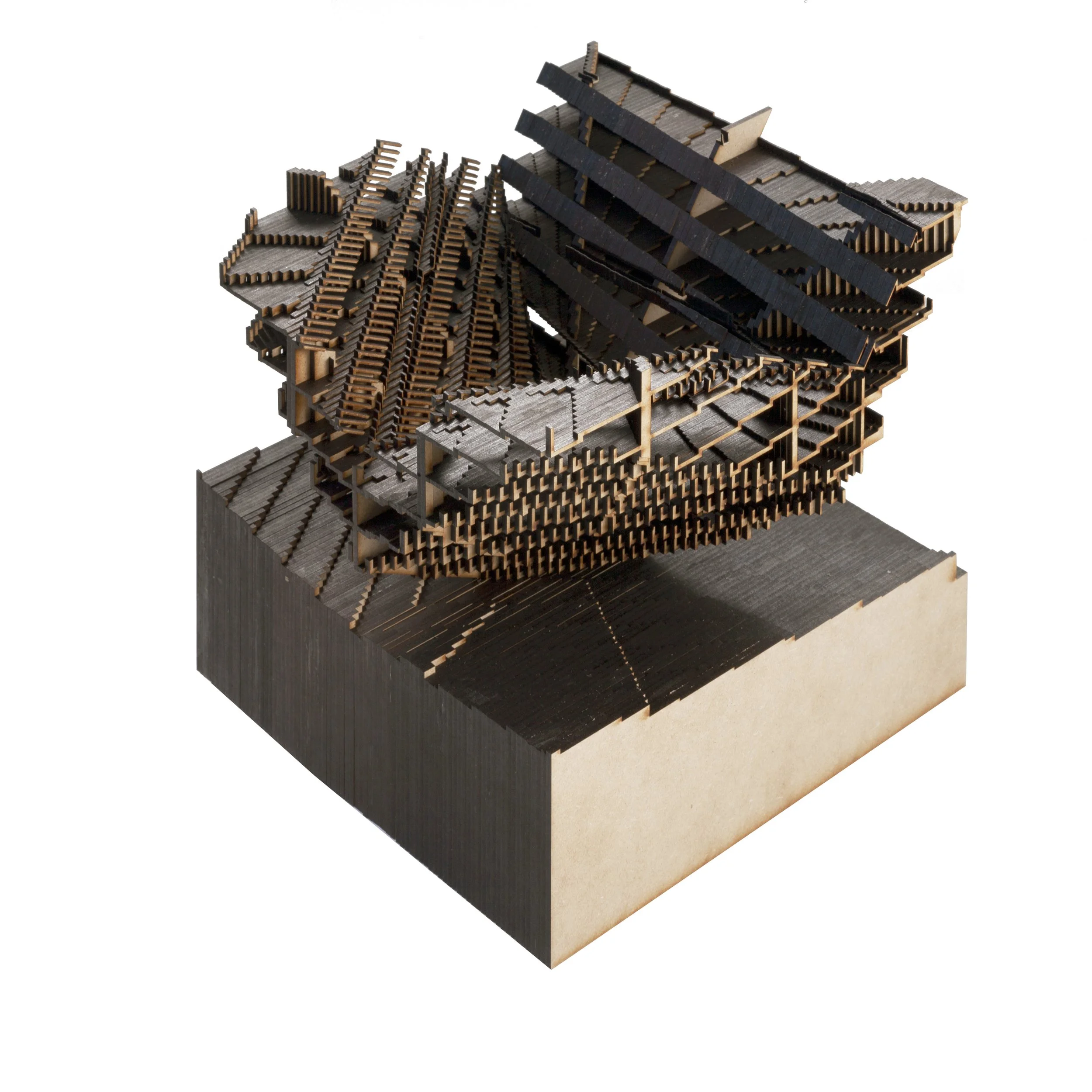
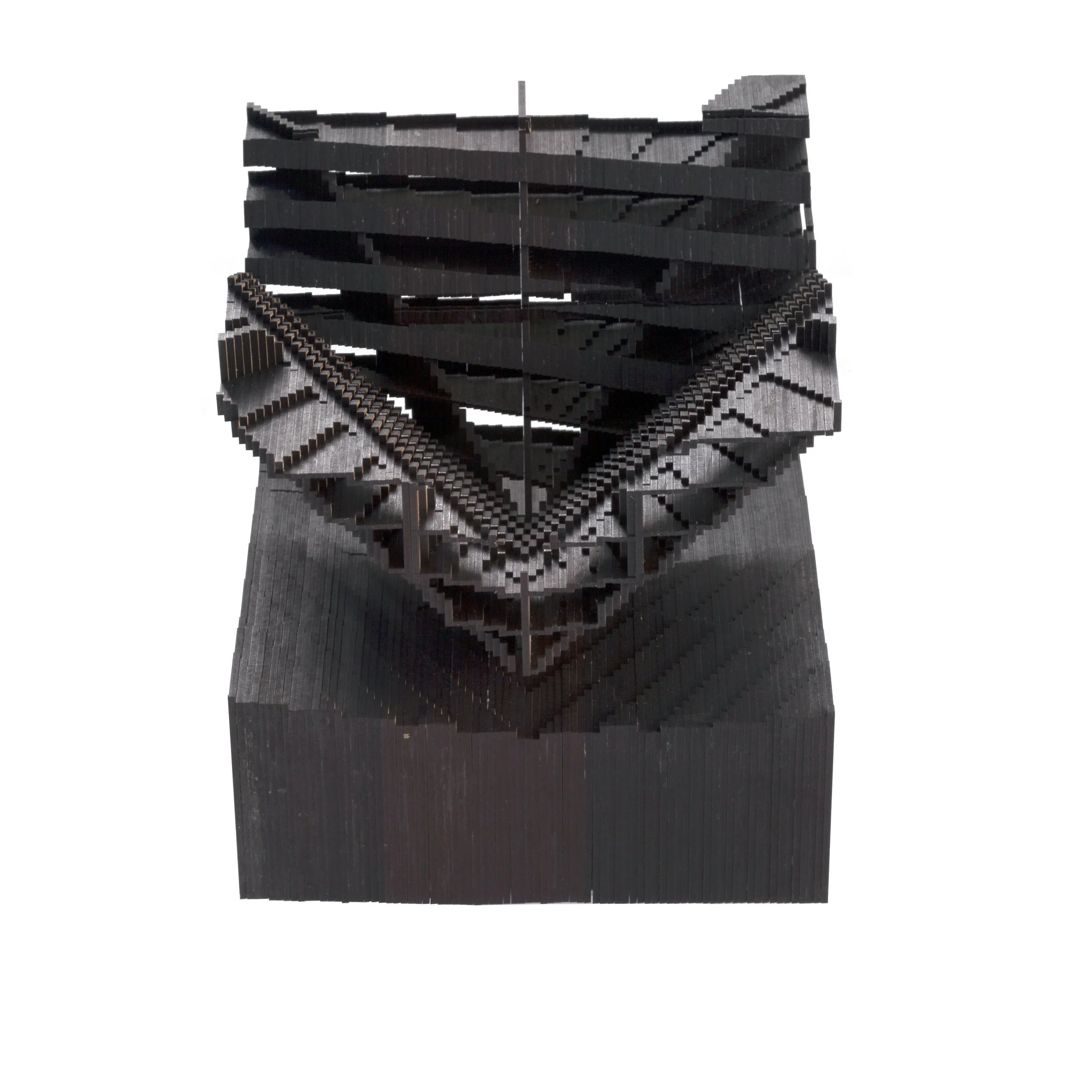
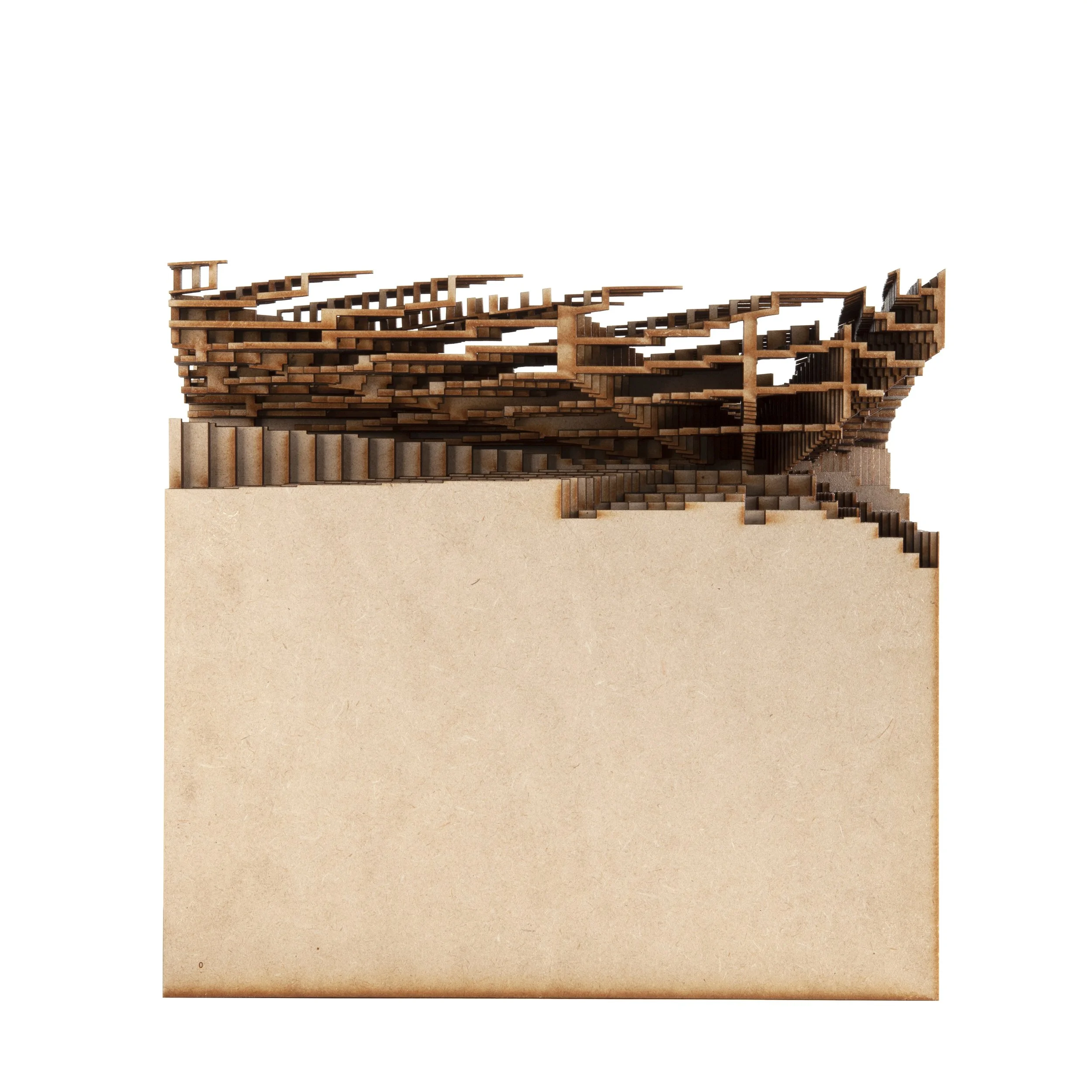
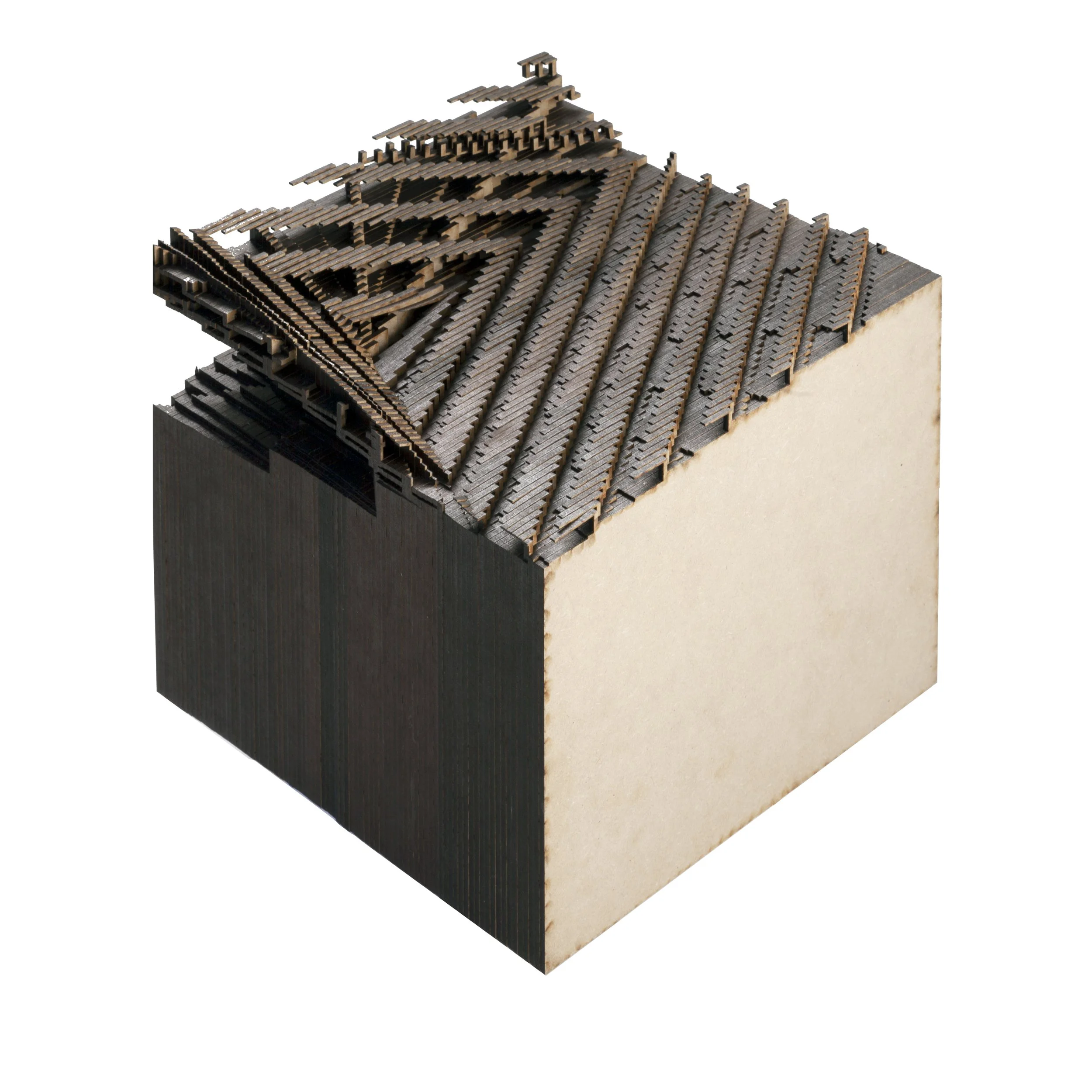
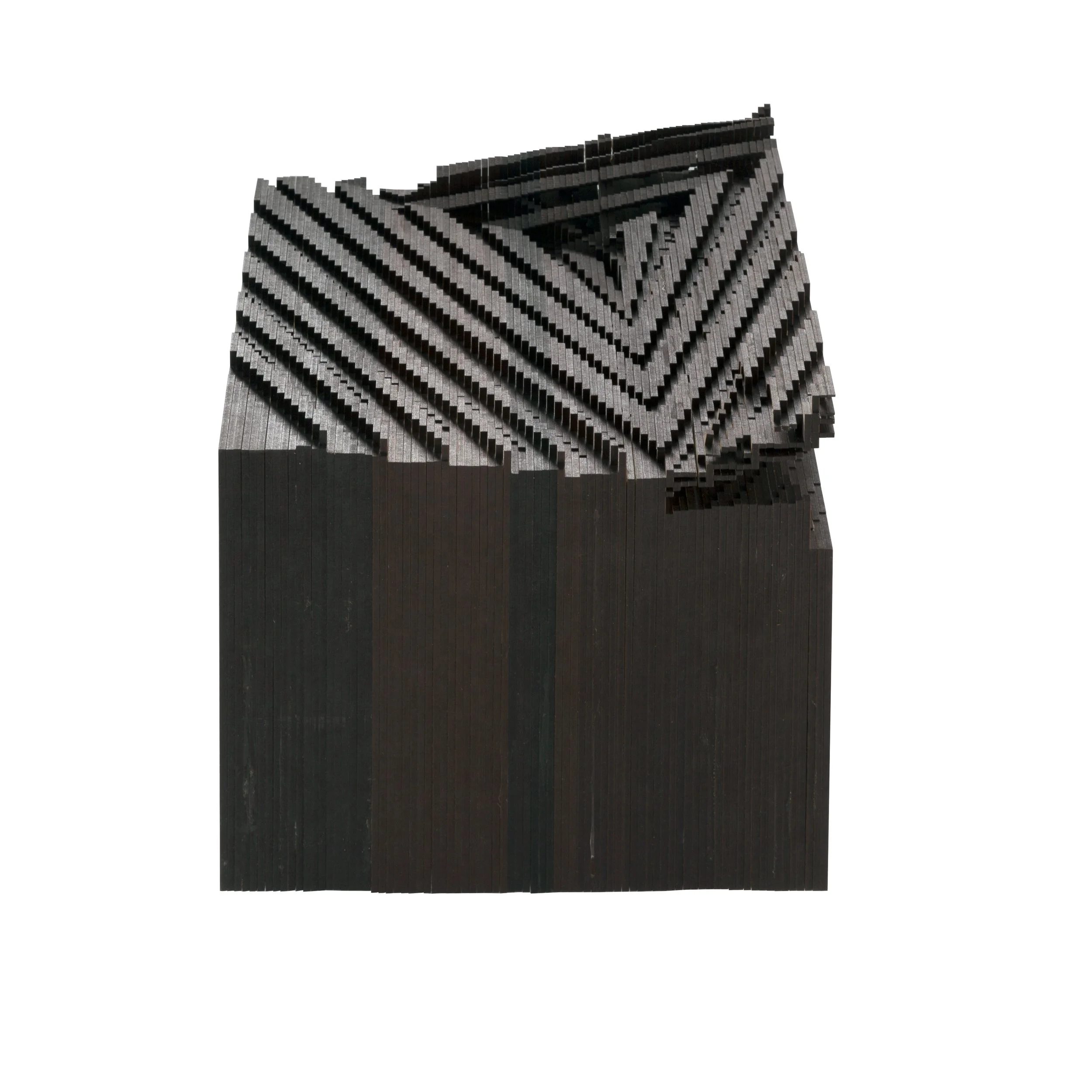
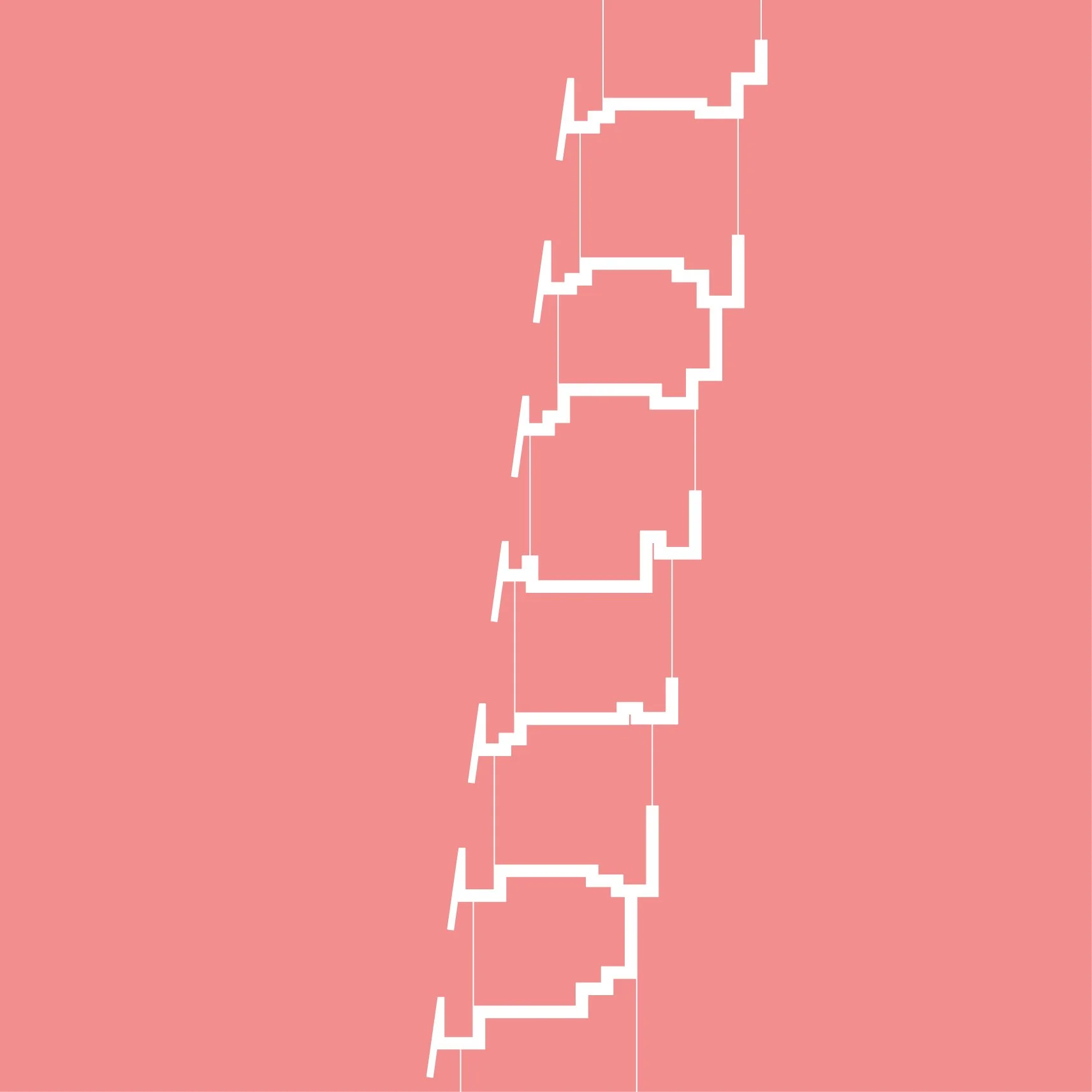
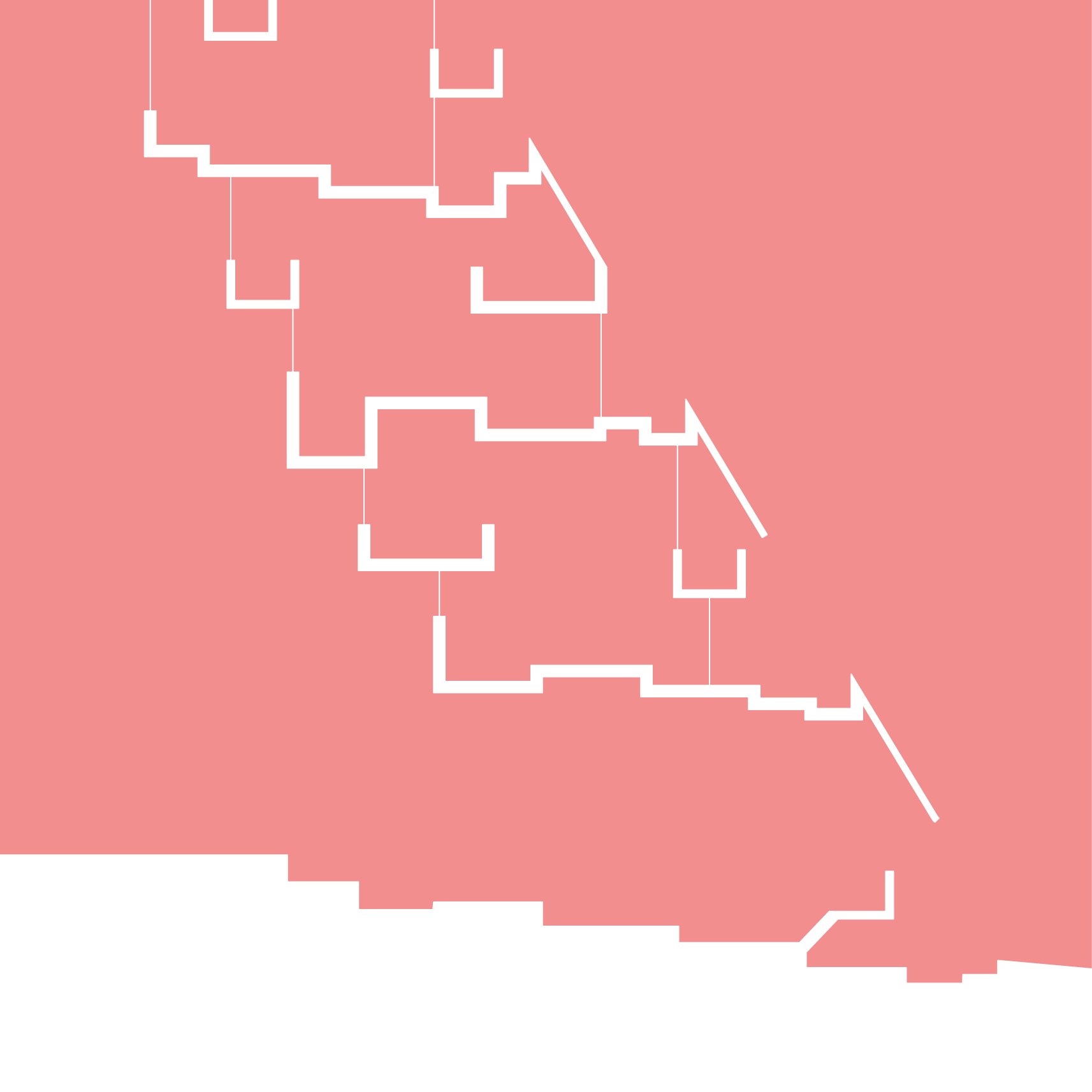
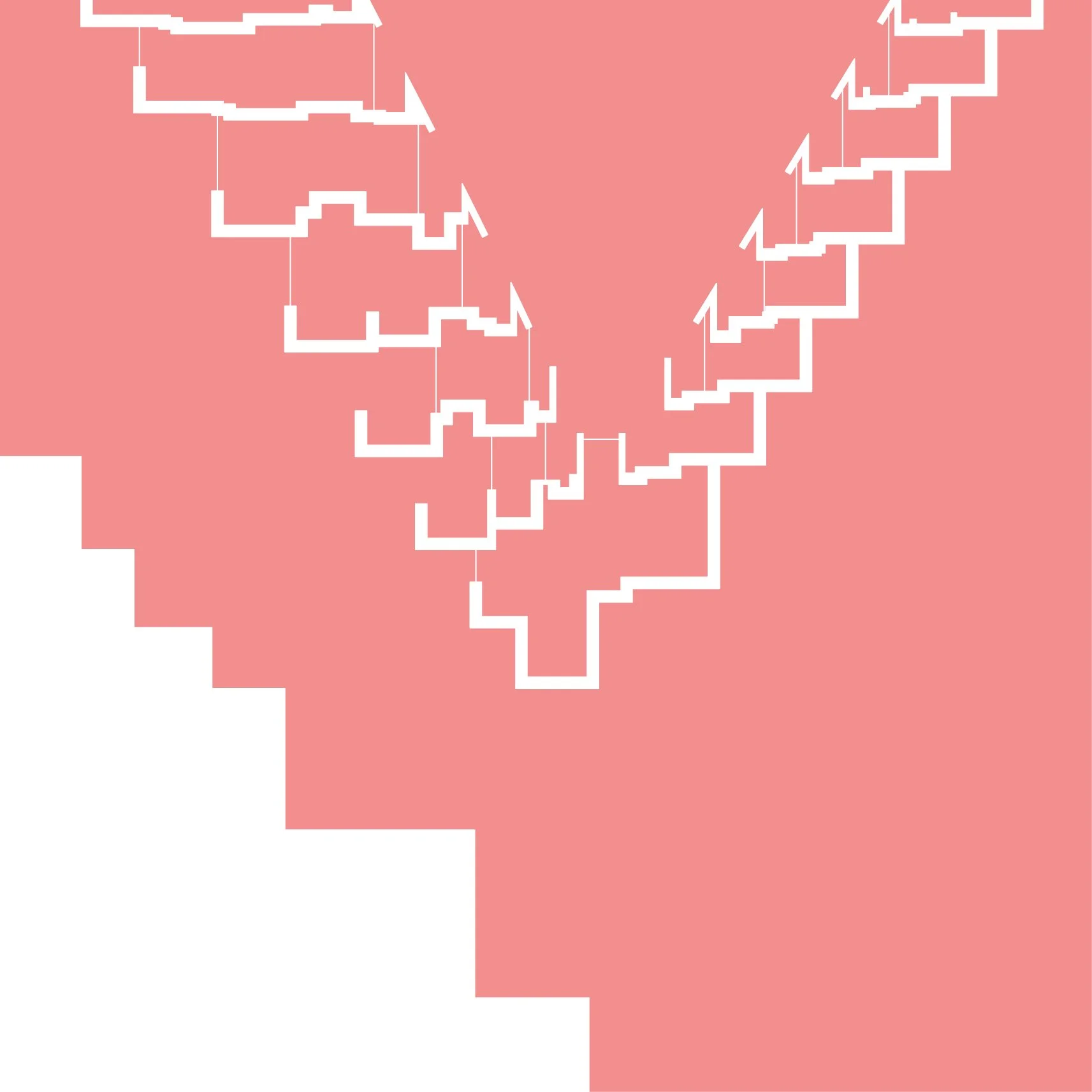
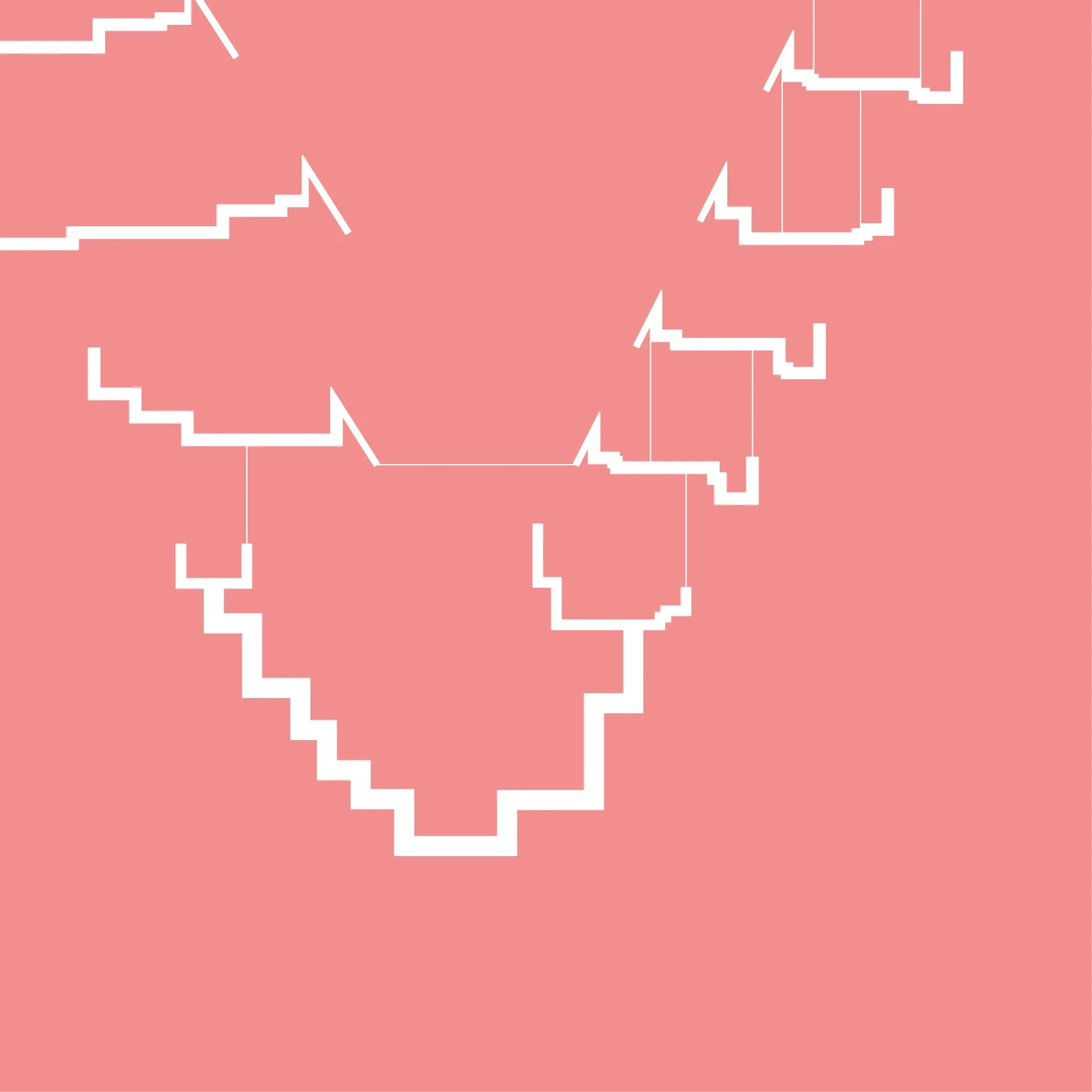
Modernity has redefined the cognitive space of the urban dweller. As we produce our urban environment, we become a product of it. The fabrics we occupy define our autonomy. The project questions the authority of urban subdivision models, modern ideals of ownership, and the agency of an individual in an urbanscape. Rather than fragmenting the fabric into a collection of structures arrayed in a field, the project deploys a single structure as the field. The structure at its most primitive state, is a single room which behaves as an open framework for new models of land occupation. This framework produces a range of temporalities to be driven by its inhabitants as they traverse its landscape of typologies. It challenges the separation of infrastructure from the built environment, operating simultaneously as both systems. Recognizing the significance of modern urban typologies such as the tower, block, mat, and bridge, it reconstitutes them with new situational compositions.
The research project is rooted in an analysis of the now-demolished Al-Sawaber Complex, not through an aesthetic approach, but as a system of organization that produces sequences of interiors from edge to center. The project begins from a nodal system and develops into an infinite field condition of choreographed interiors.
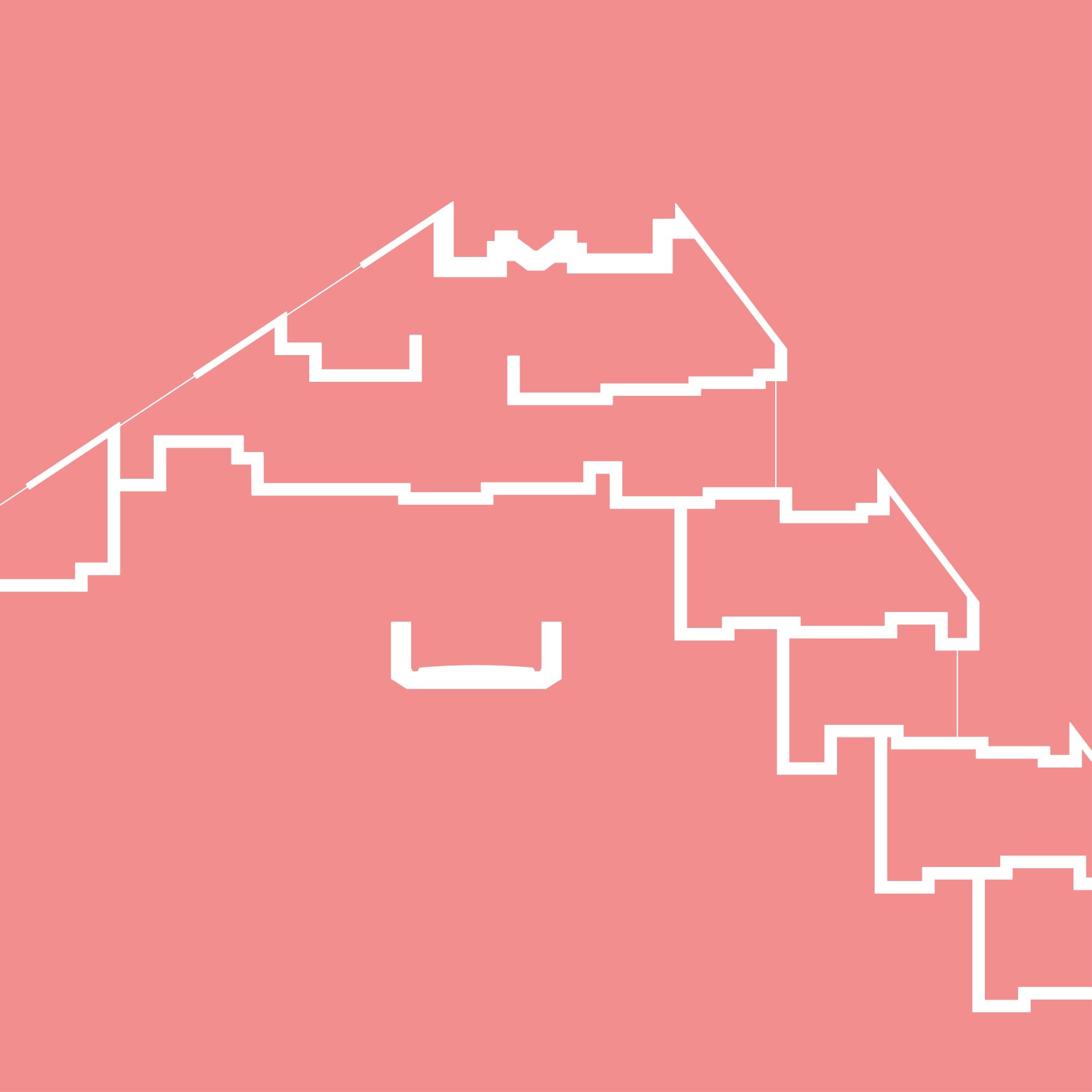
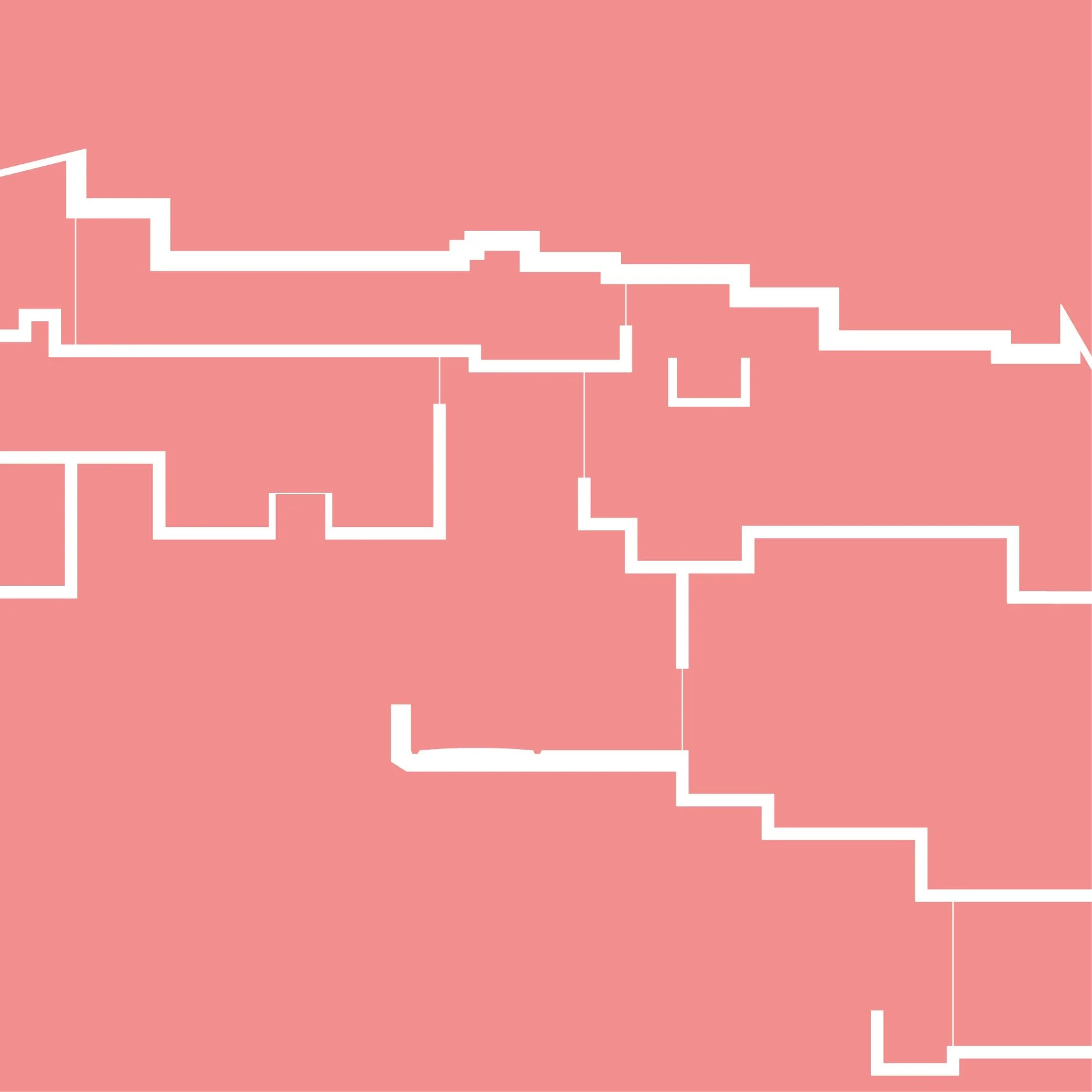
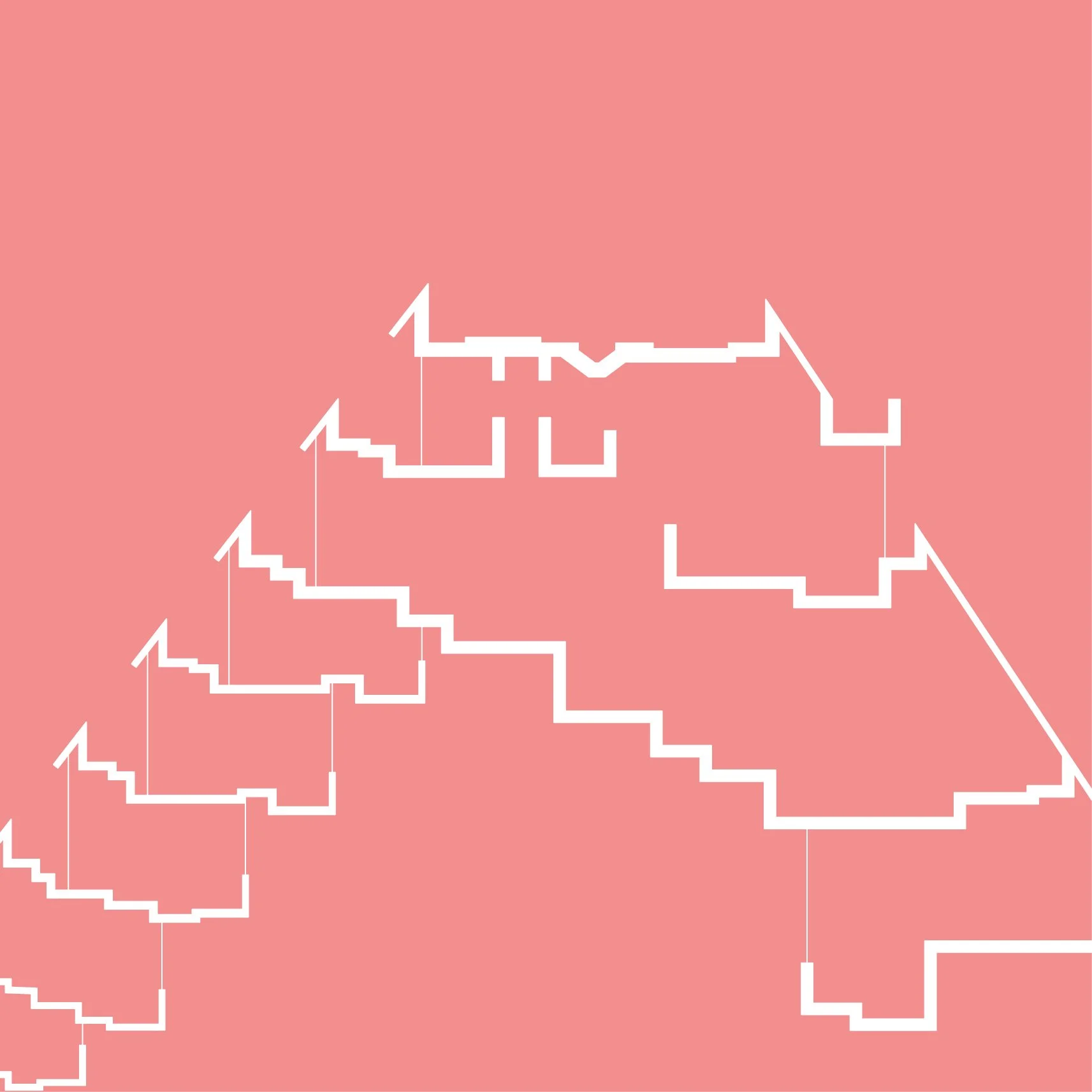
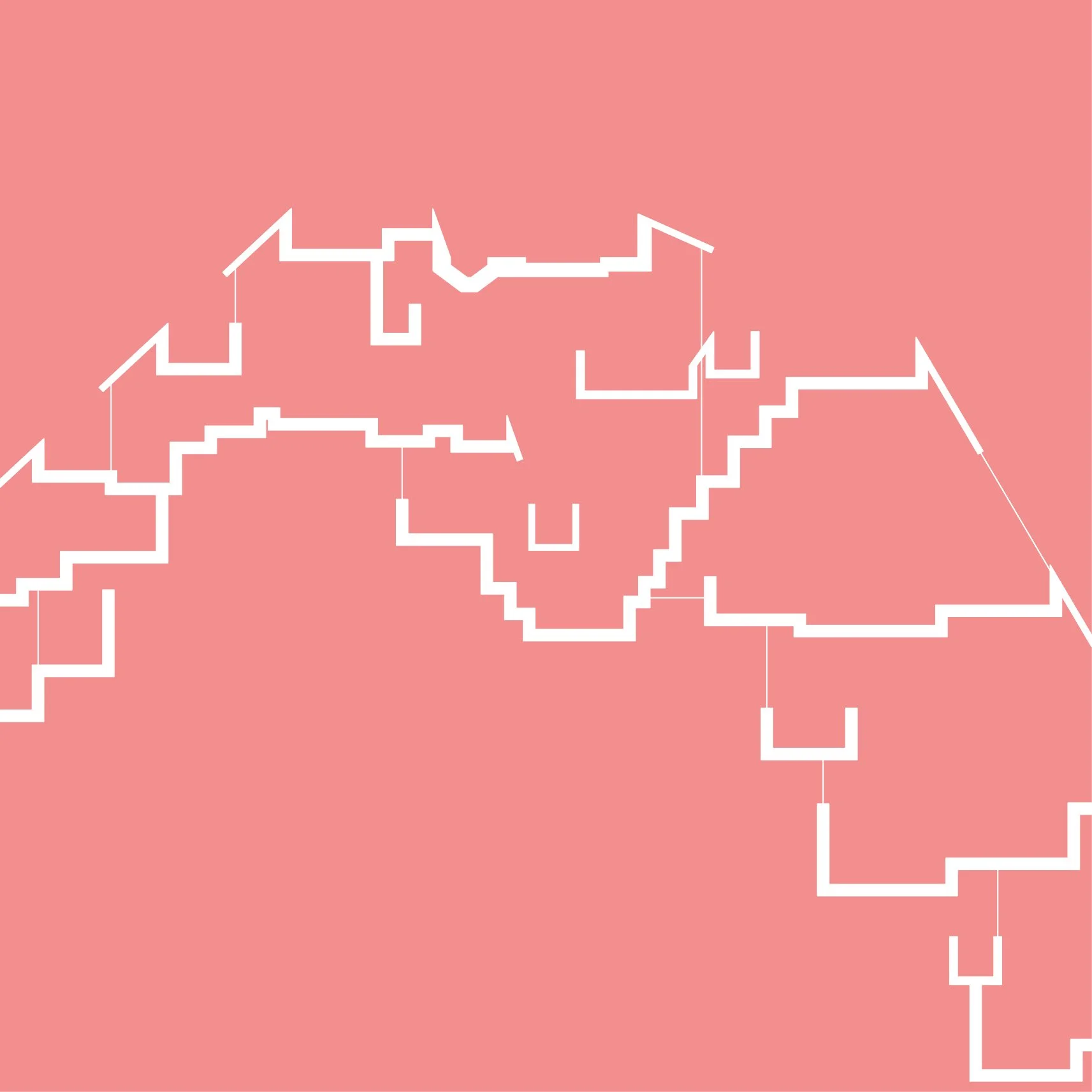
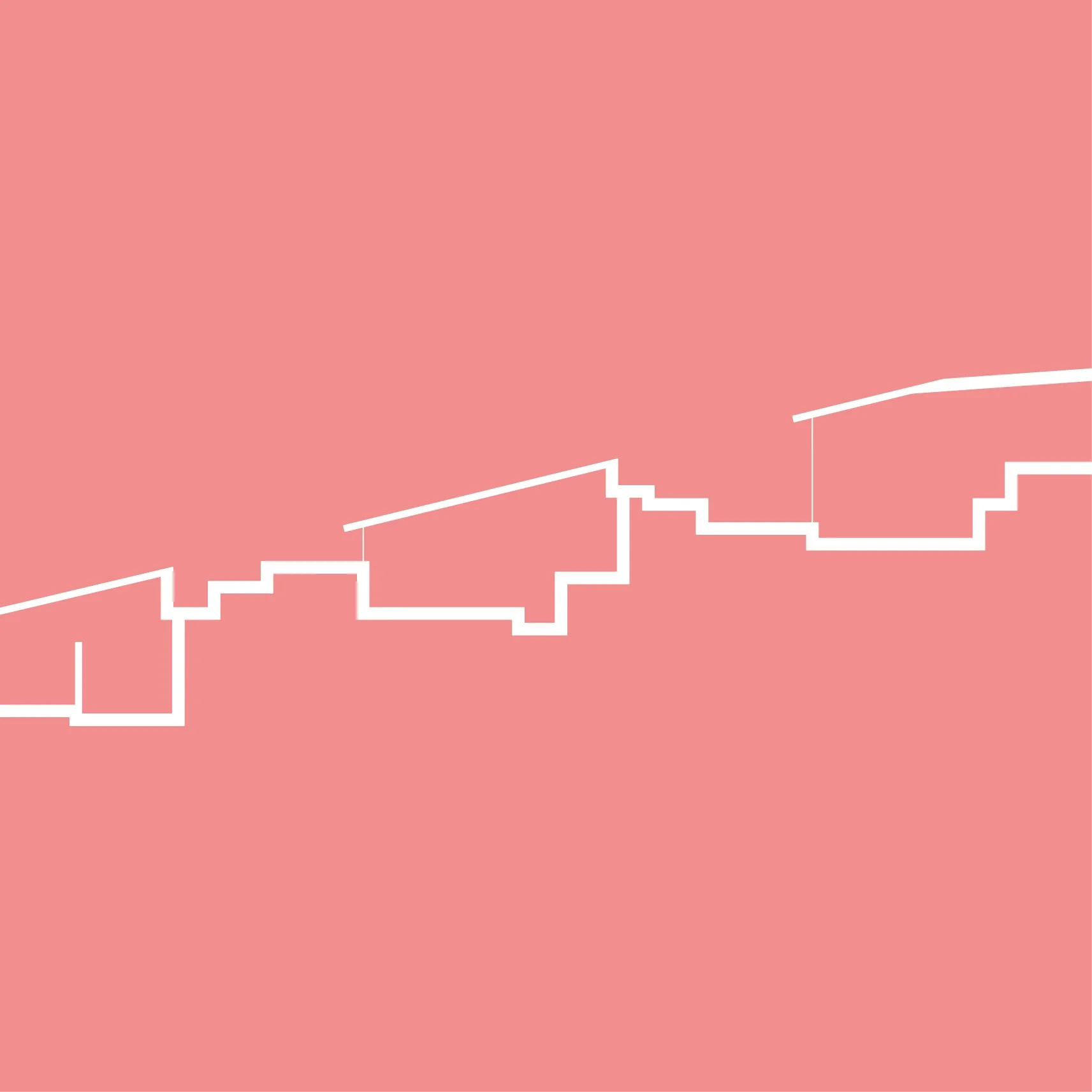
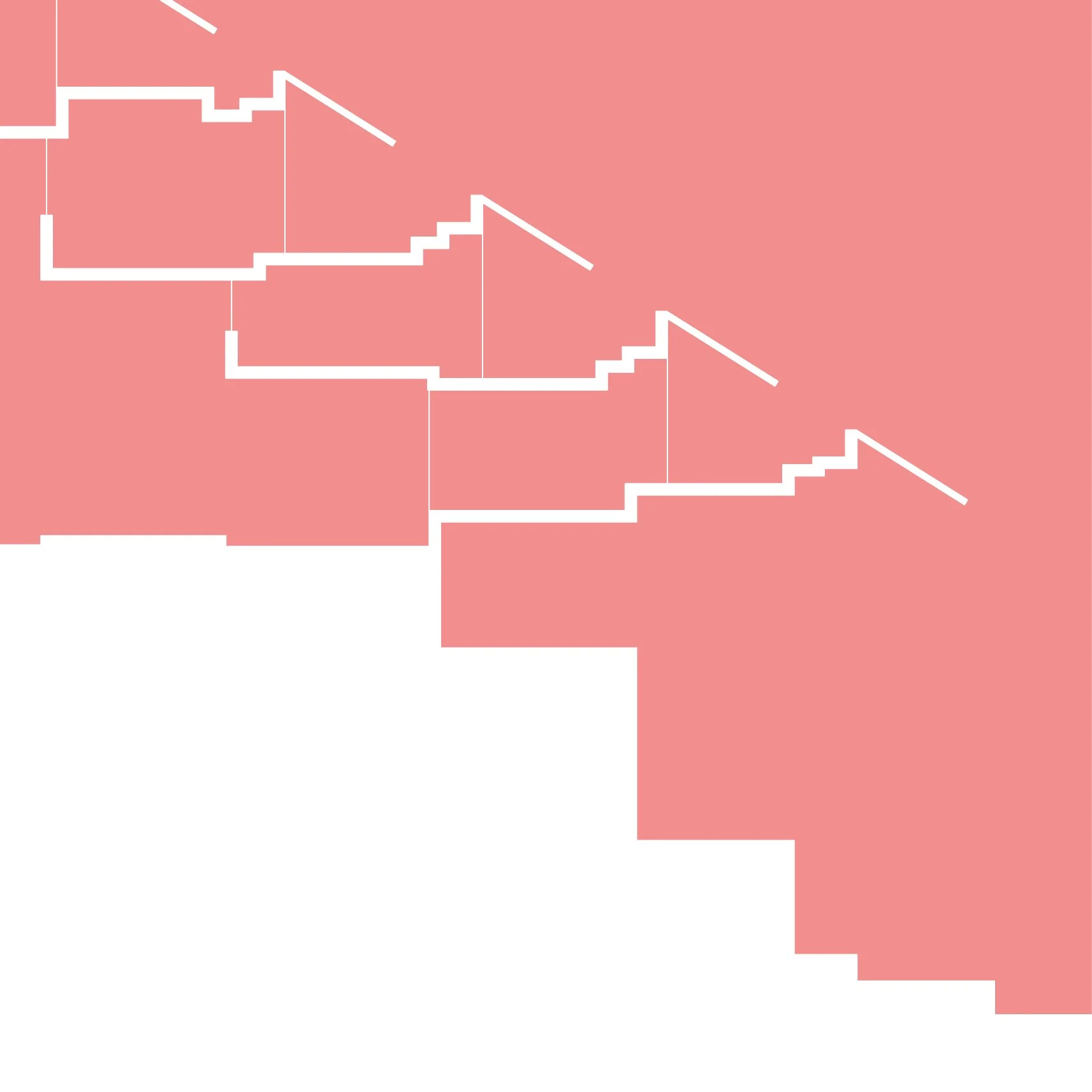
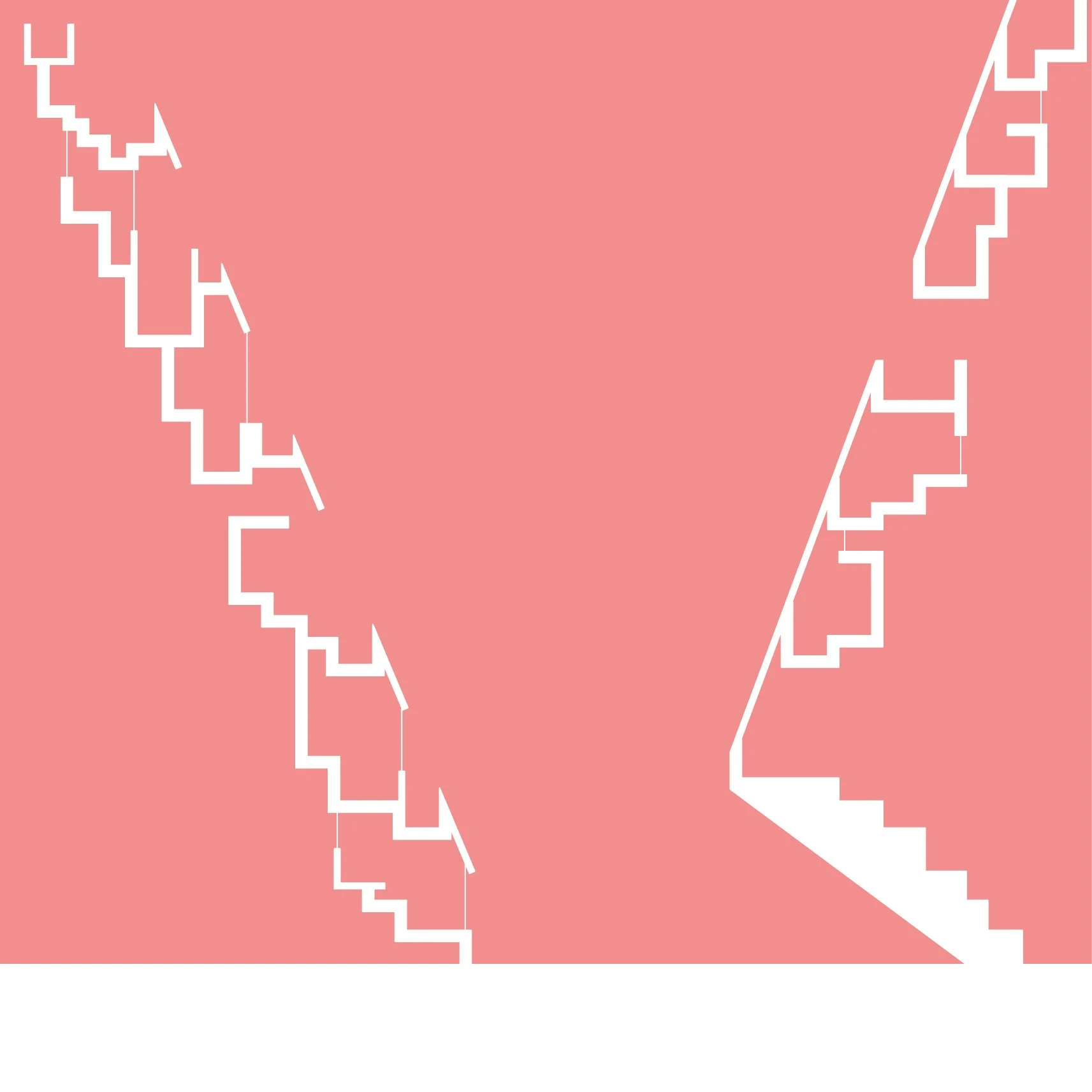
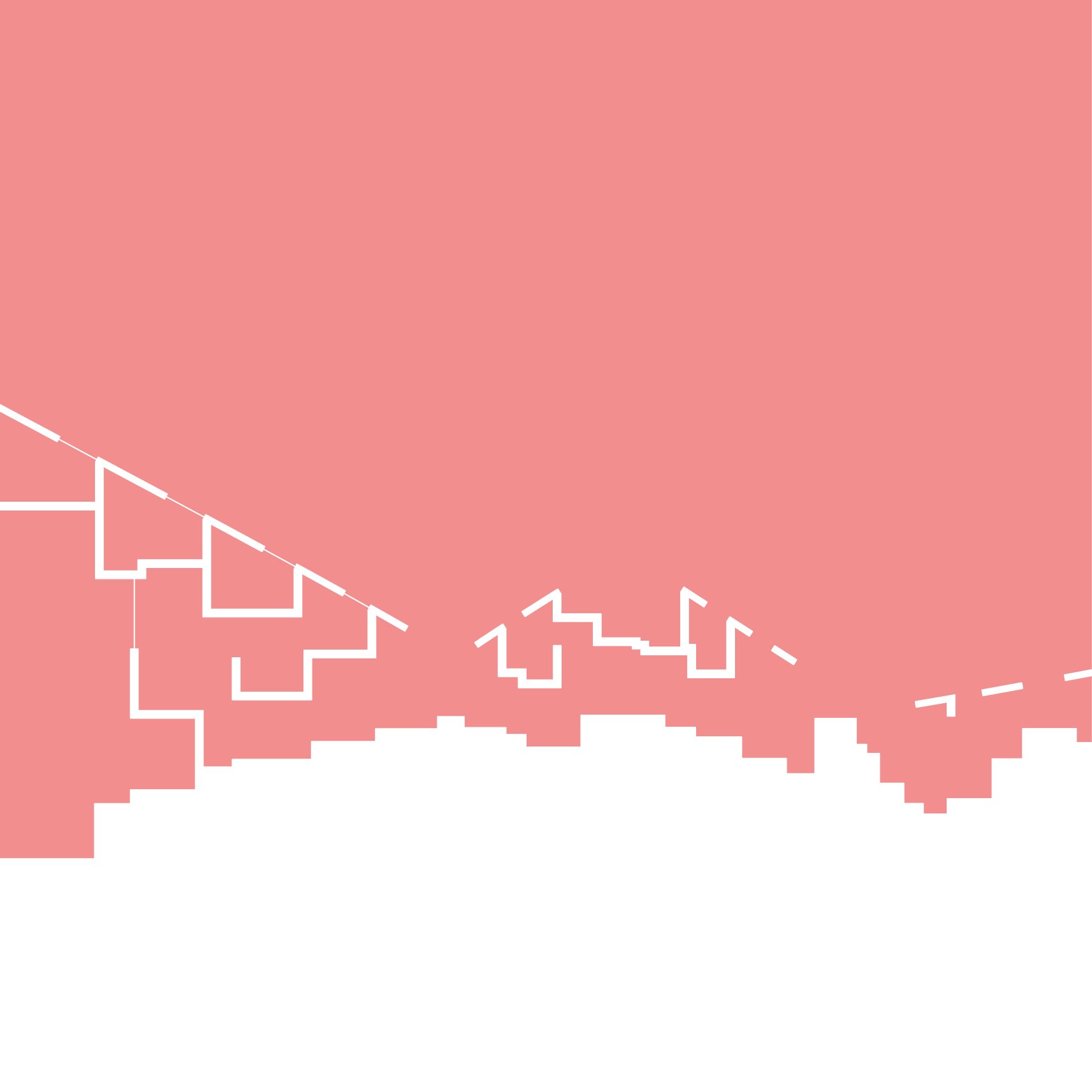
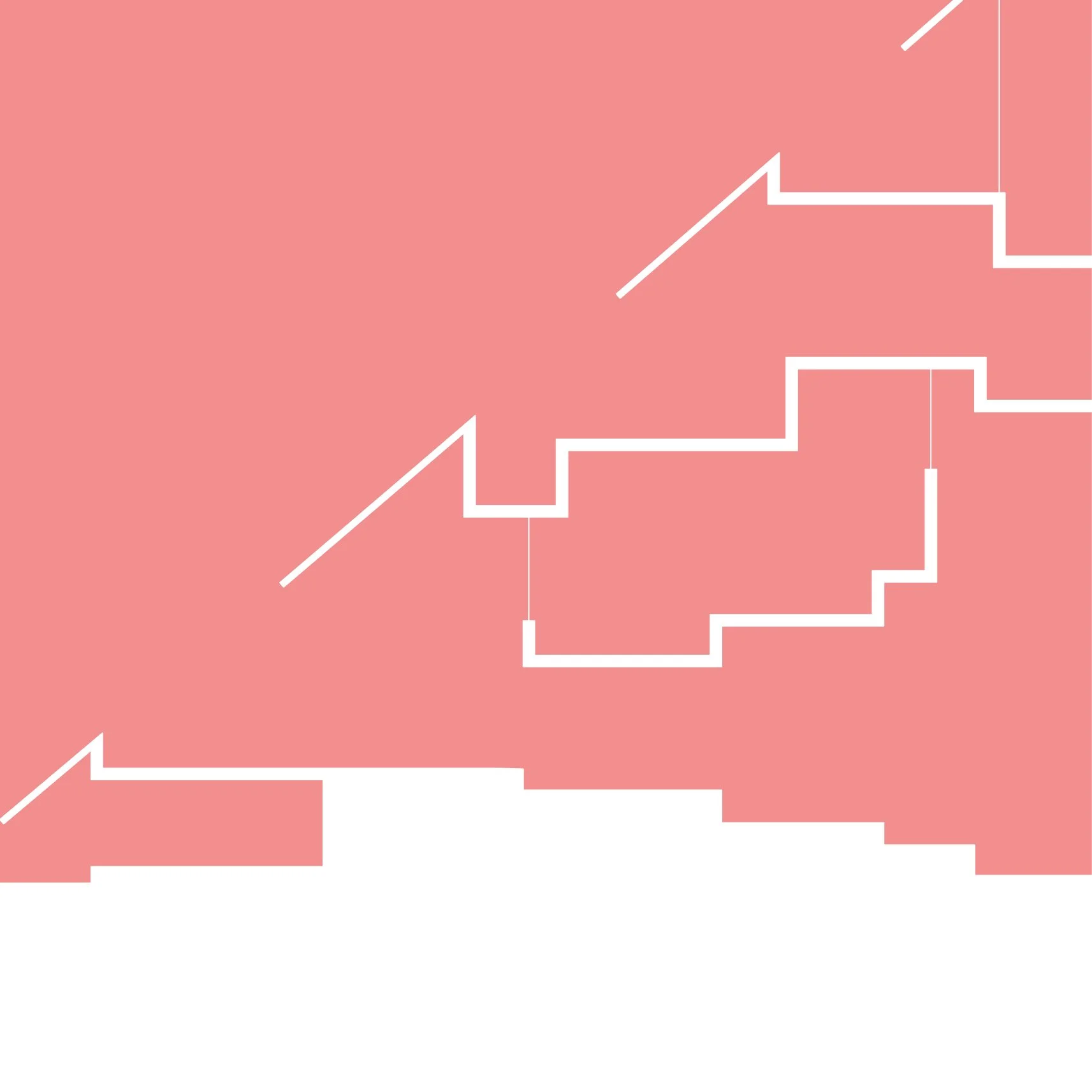
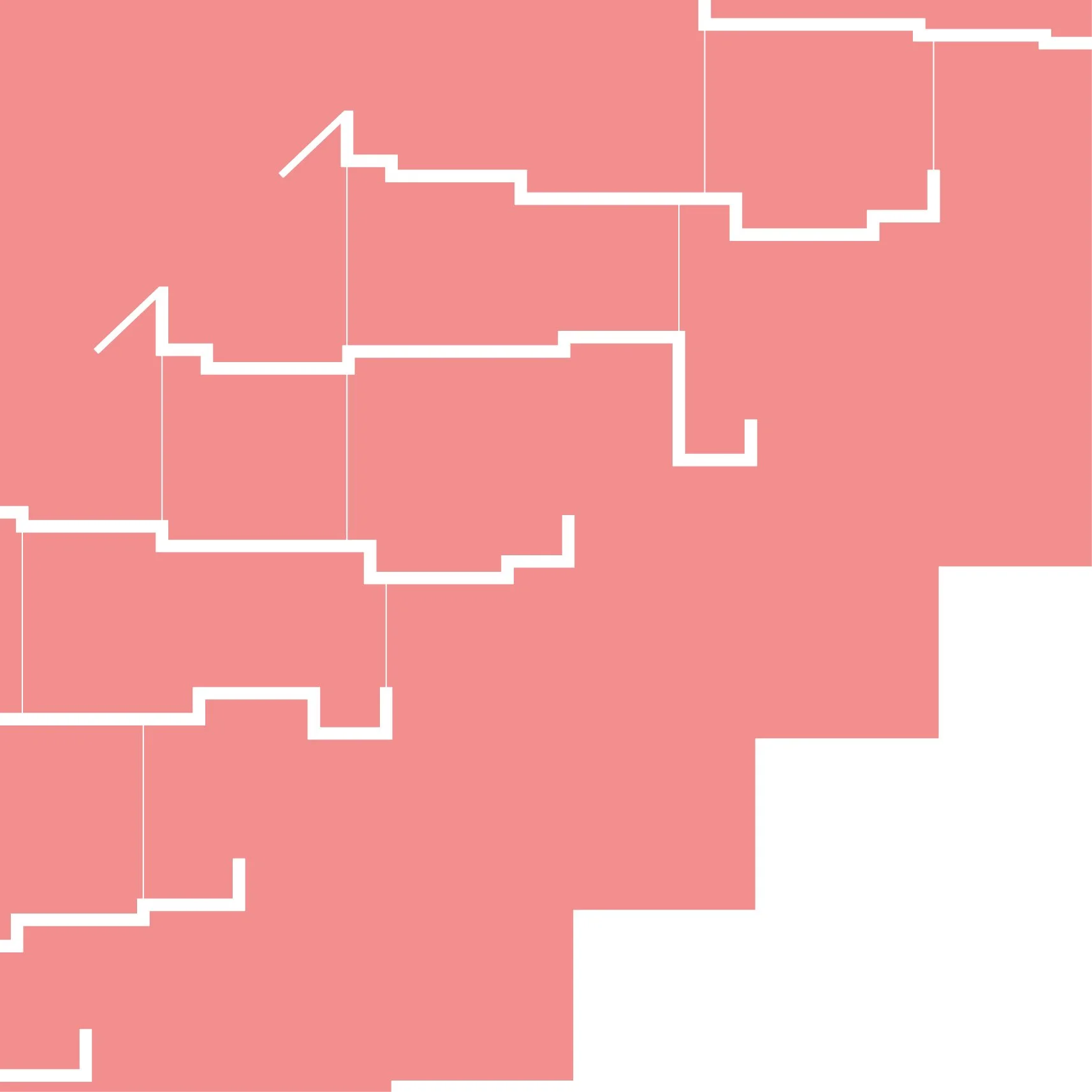
The project prioritizes lofting sections over plan stacking to create a broader range of differences throughout the development. The traditional tree-and-ladder circulation evolves into experiential sequences that transport the individual through dynamic degrees of interiority. The parcels are differentiated by their relationship to existing surfaces, creating four primary typologies in the supra-structure. Each typology is charged with a different temporality of occupation — tectonic articulation generates the differences in the time frames.
The deployment translates a modernist structure charged with Western ideals of living into a nomadic framework that supports a new social structure. This system recognizes a range of settlement degrees and establishes continuity between its typological articulations. Rather than erasing its site, it learns from it and produces a new landscape, one that can be experienced underneath, within, and in between. It engenders an environment that allows for redundancy in connectivity, which expands our notion of drifting in an urbanscape. Its inhabitants, the neo-flaneurs, are now autonomous beings who learn from their environment and teach it how to behave. They construct their agency in the urbanscape, developing its tectonic form to accommodate their needs. The architecture does not demand or dictate. The architecture serves and facilitates the lives of its inhabitants.
Open-House studio Ortega presentation designed by Mohammad Kassem
Photo by Lauren McPhillips